Five Smartphone Camera Myths That Refuse to Die
More megapixels, bigger zoom numbers, and night modes that promise miracles. A look at the specs that matter and the ones that exist for the box.
Published 21 July 2026
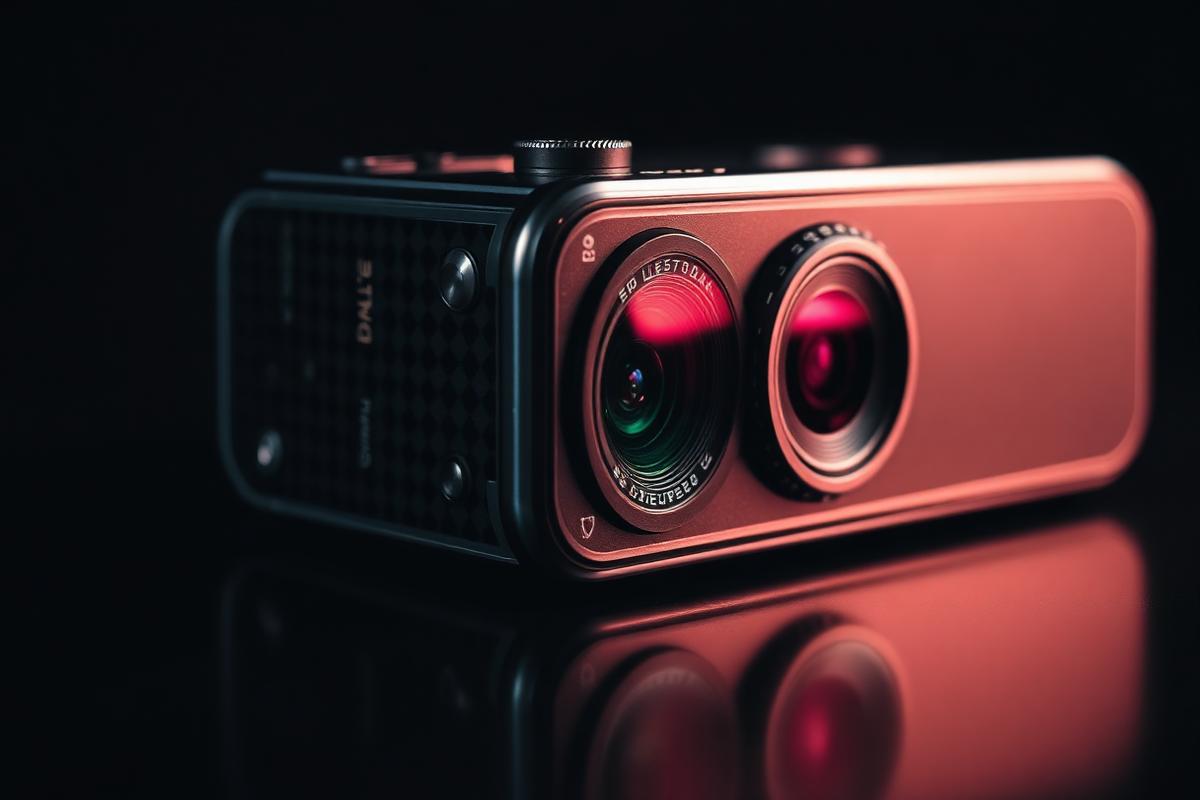
Phone cameras have become the most marketed component in consumer technology, and the marketing has drifted a long way from the physics. Here are the claims worth ignoring.
Myth one: more megapixels means a better photo
A 200 megapixel sensor does not automatically beat a 50 megapixel one. Most high resolution phone sensors combine groups of pixels into one larger virtual pixel the moment light gets scarce, which is why a 200 megapixel camera usually hands you a 12 megapixel file. What actually determines quality is the physical size of the sensor and the quality of the lens in front of it.
Myth two: digital zoom has caught up
It has improved, but the improvement is reconstruction, not detail. Beyond the range of the actual telephoto lens, the phone is guessing at texture using a trained model. Faces stay convincing, brickwork and foliage turn into smeared patterns. If long reach matters to you, check what the longest optical lens is and treat everything past it as an approximation.
Myth three: night mode sees in the dark
Night mode is a stack of exposures blended together. It works beautifully on static scenes and falls apart on anything that moves, which is why group photos in a dim restaurant still come out with one blurred arm. The fix is not a better night mode but more light, even from a phone screen held off to one side.
Myth four: the main camera is the whole story
Reviewers photograph landscapes. Most people photograph other people indoors, at arm's length, in mediocre light, and often with the front camera. Selfie sensors are routinely a generation behind the rear ones. If half your photos are self-portraits, read the front camera section of any review first.
Myth five: raw files are always better
Raw gives you latitude, but it also switches off the computational pipeline that makes phone photos look good. Without the multi-frame merging, noise handling, and tone mapping, a raw phone file often looks worse than the processed one unless you are prepared to do the work yourself. Shoot raw when you have a difficult scene and time to edit, not by default.
What to actually check
Look for sensor size, optical stabilisation, the focal lengths of the real lenses, and sample images shot indoors. Those four things predict how your photos will look far better than any headline number printed on a box.