The Best Budget Mechanical Keyboards Are Now Absurdly Good
Gasket mounts, hot-swap sockets and factory-lubed switches used to be enthusiast territory. Now they arrive in boards that cost less than a game.
Published 20 July 2026
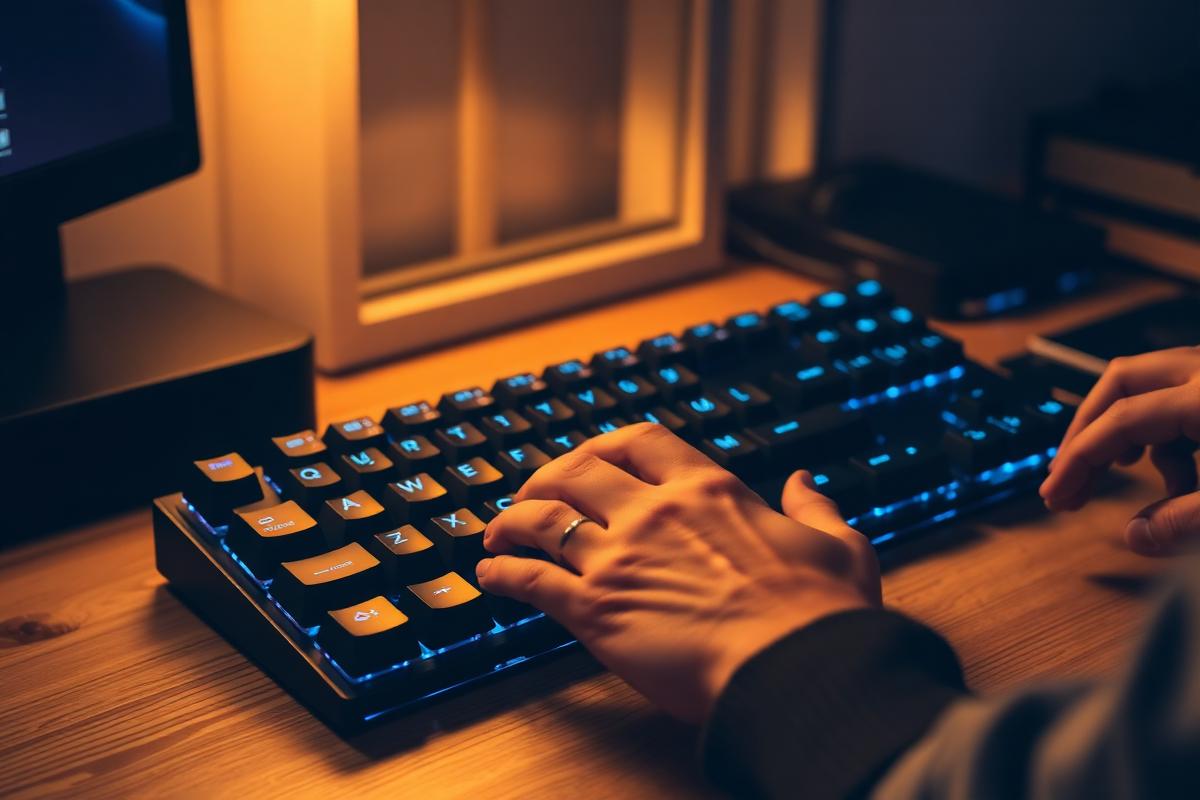
For years the advice for anyone curious about mechanical keyboards was to save up. That advice is now out of date. The features that defined premium boards five years ago have quietly become standard at the bottom of the market.
What changed
Three things. Hot-swap sockets became cheap enough to include by default, which means you can change switches without a soldering iron. Gasket mounting, where the plate floats on soft strips rather than being screwed to the case, moved down from custom kits. And factory lubrication improved to the point that most budget switches feel smooth out of the box.
The result is that a keyboard at the price of one video game can now sound and feel better than a flagship office board from a major brand.
Choosing a switch
Ignore the colour names, they mean different things to different manufacturers. Decide on three questions instead. Do you want a bump partway through the press, or a smooth slide to the bottom? How heavy should the press be, measured in grams? And does anyone else have to listen to you type?
Linear switches suit gaming and shared spaces. Tactile switches suit typing, because the bump tells your finger the keystroke registered before you bottom out. Clicky switches are wonderful alone and unwelcome in an office.
Size and layout
A full sized board with a number pad pushes your mouse hand outward, which is why so many people move to a smaller layout and never go back. The 75 percent layout keeps the function row and arrow keys while removing the number pad, and it is the safest starting point. Anything smaller means learning layers, which is fine if you enjoy it and irritating if you do not.
The upgrades that are worth it
Two cheap changes make the largest difference. First, better keycaps: a set moulded in PBT plastic resists shine and feels denser than the ABS caps included in the box. Second, a strip of foam or a soft desk mat under the board, which removes the hollow echo that makes cheap cases sound plasticky.
Everything past that is diminishing returns and enjoyable tinkering rather than necessity.
Where to start
Pick a hot-swap board in a 75 percent layout, choose a tactile switch of medium weight, and add a PBT keycap set. That combination costs a fraction of a boutique build, and for most people it is the last keyboard they need to buy.